Home / Outdoor Bar Seating
Outdoor Bar Seating
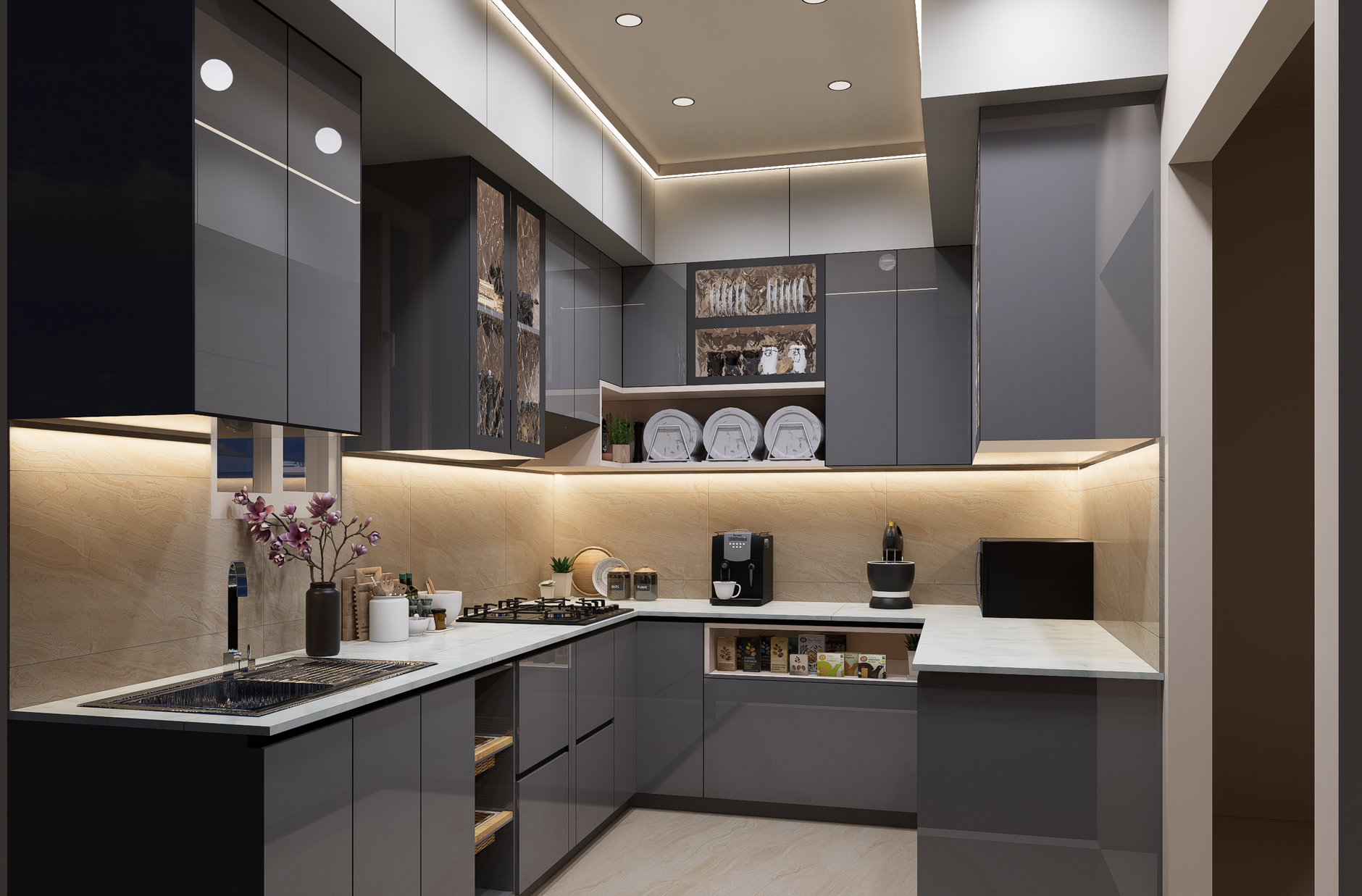
A seating bar is the part of an outdoor kitchen where the cook stops being alone. People perch on stools with a drink, watch food come off the fire and talk across the counter. Whether that works depends on a handful of dimensions and one big environmental factor: what the sun does to the seat, the counter and the person sitting there.
Two counter heights, two kinds of stool
Bar counters come in two standard heights. A counter-height surface sits at about the same level as a kitchen counter, and pairs with a stool whose seat is a little under two feet high. A bar-height surface stands several inches taller and pairs with a taller stool. The right choice depends on the room around it.
Counter height is the more comfortable for older guests and for children, because stools are easier to climb onto and feet reach a rail more naturally. Bar height gives a stronger visual separation between the cook and the guests and lets a seated person look over the cook's work surface, but it is harder to climb and can feel precarious after a long evening. When the cooking side of an island is at normal counter height and the guest side is raised, a two-level counter hides the mess of cooking from guests. The raised ledge also keeps spills and splatter on the cook's side.
Space for knees and elbows
The overhang is the detail people most often under-build. A comfortable seat needs knee clearance beneath the counter, usually a dozen inches of overhang or slightly more. A shallow overhang forces guests to sit sideways or lean forward awkwardly. Overhang past a certain depth requires support, such as a bracket or a post, particularly for stone, which can crack when loaded at an unsupported edge.
Allow roughly two feet of counter length for each seat, so elbows do not collide. A bar for four therefore wants about eight feet. Behind the stools, leave enough room for someone to pass, generally three to four feet, so guests walking to the pool do not bump into seated friends.
- Footrests, whether a rail or a ledge, make stools far more comfortable.
- A rounded edge on the counter protects shins and elbows.
- Backed stools suit longer evenings, though they take more visual space.
- Swivel seats let people turn between the cook and the conversation.
Shade for the guest side
Seating that faces the afternoon sun can become unusable. Direct sun heats stone counters until bare arms recoil, bakes metal stool legs and fades cushions. The most useful design choice is to orient the bar so guests sit with the sun behind or beside them, and to place a cover over the seating that keeps both the counter and the stools in shade during the hottest hours.
The cook's side and guest side may need different cover. A solid roof over the cooking line and a lighter pergola or fabric sail over the stools is a common compromise. Where the counter faces west, a vertical screen at the end or a retractable shade can intercept low sun that slips under the roof edge.
Fans are valuable for a seated crowd. Moving air makes a hot evening feel much cooler and also keeps flying insects away from drinks. Outdoor-rated ceiling fans need an electrical connection in the overhead structure, and misting lines add cooling when humidity is low, though they require water and a pump.
Materials that suit a bar
A bar counter takes constant contact: elbows, glasses, condensation, spilled sugary drinks. Dense stone and porcelain resist staining better than soft or porous surfaces. A honed or lightly textured finish hides water rings and fingerprints, and a mid-tone color absorbs less heat than black.
The counter edge is where weathering shows first. Check that any sealer is rated for outdoor use and plan to renew it. Where the counter is wood, choose a dense, oily species or a composite, and expect it to need regular care.
Stool materials matter as much. Powder-coated aluminum and stainless stay cool enough in shade and last for years. Cushions should be made from fabric and foam that dry quickly and resist fading. Woven resin seats stay cooler than solid plastic, and light colors absorb less heat than dark ones.
Lighting and electricity at the bar
People sit at a bar after dark, so lighting becomes part of the seating plan. Soft, shielded fixtures under the counter edge or along a rail give a glow without glare in eyes. Pendant fixtures must be rated for outdoor use and secured against wind. Receptacles near the bar allow for blenders, phone chargers and speakers, and they need weather covers and ground-fault protection.
Keeping the bar from becoming a barrier
An island bar can end up blocking the cook's escape route or crowding the cooking area with onlookers. Keep at least one open side for the cook to move in and out, and separate the traffic flow to the grill from the flow to the drinks. If the bar is attached to the end of a counter run, the seats at the end nearest the grill are the first to fill with smoke, so consider placing seating at the far end.
Practical sequence
- Decide who will sit there: adults, children, older guests, or all three.
- Choose counter height to match, or build two levels.
- Set overhang depth and seat count, with support for any stone overhang.
- Orient the seats away from low afternoon sun and add cover.
- Pick stool and cushion materials that handle heat and quick drying.
- Run power and lighting before the counter is set.
A bar that is comfortable in shade at seven in the evening will be used for hours; one that burns the forearms of everyone who leans on it will be admired and ignored. The difference comes down to a few inches of overhang, a good cover and a counter surface chosen for sun.
Small touches that make guests stay
Comfort at a bar comes from details more than size. A shallow ledge along the cook's side of the counter gives guests a place for a plate without crowding the work surface. A hook or rail under the counter holds handbags and keeps them off the ground. A built-in drink well or a small tray of ice nearby saves the cook from refilling glasses constantly.
Think about what happens when the evening cools or the sun lowers. Stools with solid seats take a long time to lose heat after a hot day, while woven or slatted seats cool faster. A dedicated spot for a pitcher of water, close to the seats, keeps guests hydrated during long afternoons. Where the bar sits beside a pool, wet feet and slippery floors need attention, so a textured surface under the stools and a drain nearby reduce hazards.
Finally, consider accessibility. A section of counter at a lower height, with open space beneath, lets a person seated in a wheelchair join the group, and a stool with arms helps people who struggle to rise from a seat without help.