Home / Outdoor Cabinet and Counter Materials
Outdoor Cabinet and Counter Materials
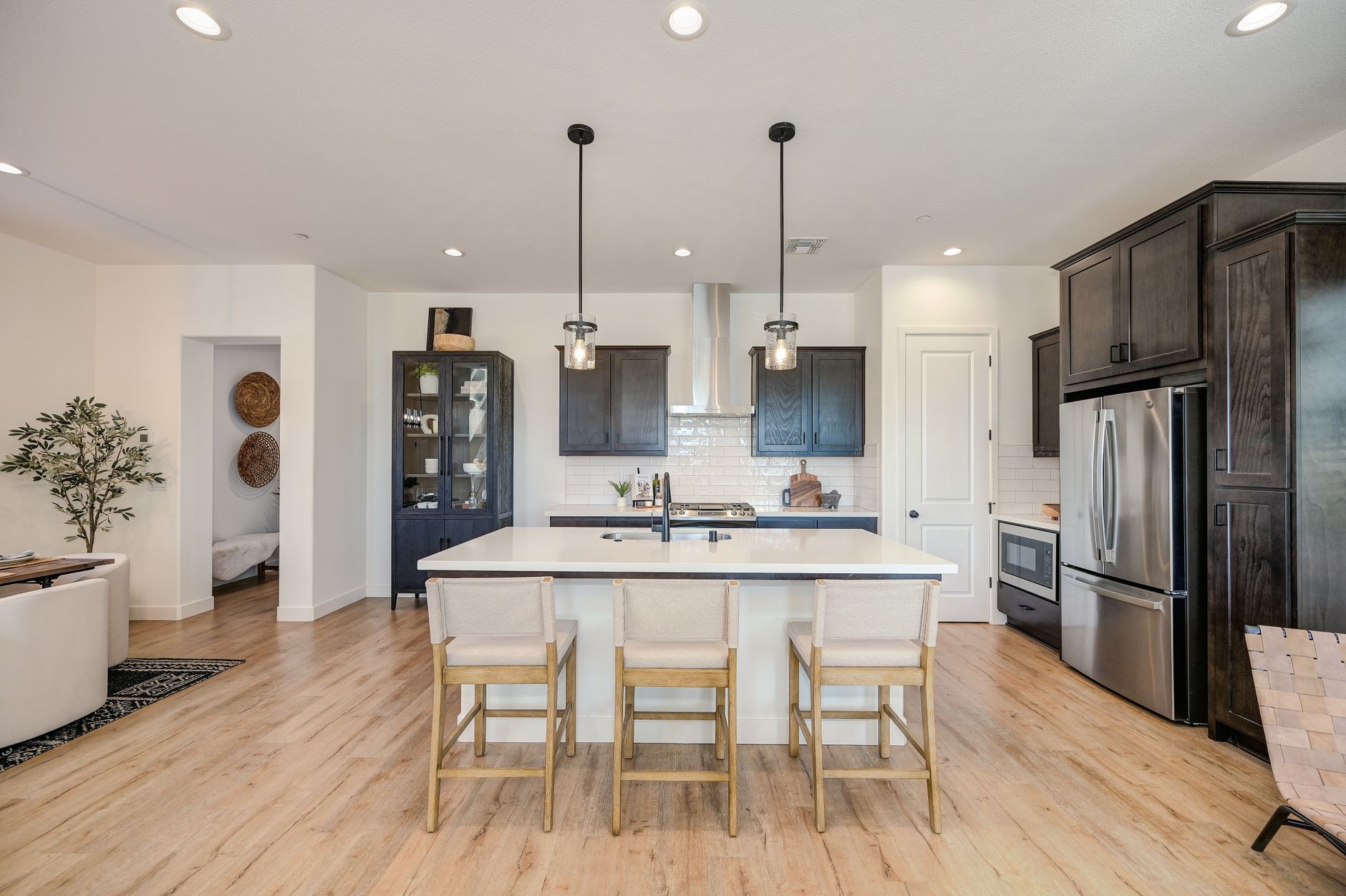
Misconception first: outdoor cabinets are not indoor cabinets with a weatherproof label. Wood veneer, particleboard and standard laminate swell, peel and delaminate when exposed to rain, dew and sprinklers, and even in a dry region the daily swing between cool nights and scorching afternoons stresses glue lines and finishes. Materials for an outdoor kitchen have to be judged on four things: how they handle heat, ultraviolet light, water and pests.
Stainless steel cabinets
Stainless is the default choice for good reason. It does not rot, does not feed insects, and cleans with a cloth. Two details separate a good stainless cabinet from a disappointing one. The first is the grade: marine-style grades with added molybdenum resist spotting and pitting better than the common grades used in indoor appliances, which matters near pool chemistry or salty spray. The second is the gauge. Thin sheet dents when someone leans a hip against it and rattles when a door closes; heavier gauge feels solid and holds its shape.
In direct sun stainless gets hot enough to be uncomfortable to touch, and a bright finish throws reflected glare at anyone facing it. Brushed finishes hide scratches and fingerprints much better than mirror polish. A cabinet in full afternoon exposure also expands slightly, so doors and drawers need clearance that looks generous when new.
Stainless is also a strong match for wet zones, where it can handle splashes and sanitizing sprays without any special sealing. The drawback is sound and looks: a run of bare metal can read as commercial, so many people pair it with a stone or tile counter to soften the effect.
Polymer cabinets
Polymer cabinets, built from high-density plastic panels, are the main alternative. They shrug off water, never rust, and come in many colors and wood-grain patterns. They also tend to weigh less, which simplifies installation and lets them mount on a simple frame. The questions to ask are how the color is built into the material and how the panels cope with heat and long sun exposure. A material tinted all the way through holds its color better than one with a surface layer.
Polymer is not the right pick right beside a grill unless it is separated by an insulated liner or a metal jacket, since heat from a grill body can soften or warp plastic panels. A gap of air and a heat shield between the two is standard practice.
Masonry and block
Masonry builds the island on site from concrete block, brick or poured concrete, then finishes it with stucco, tile or stone veneer. It is the most durable and the most customizable in shape, with curves, steps and built-in niches that no catalog cabinet offers. It also anchors the kitchen visually to a house built from stucco or stone.
The cost of that freedom is time and skill. A masonry island needs a footing or slab strong enough to carry its weight, openings sized exactly for each appliance, and a plan for utilities before the first course of block goes up. Changing an appliance later often means cutting into finished work, so the appliance list has to be final before the walls rise.
Because masonry is porous, finishes matter. Stucco needs proper control joints and a sealed surface, and any wood component set into the block should be a rot-resistant species or a composite.
Counter surfaces
The counter takes the abuse: hot pans, wet glasses, raw meat, spilled wine and a full day of sun. The options sort roughly into stone, engineered surfaces, tile and concrete.
- Granite handles heat and ultraviolet light well and keeps its color. A honed or leathered finish hides water spots better than polished. It needs a sealer on a regular schedule.
- Porcelain slab and porcelain tile are fired at high temperature, so they resist fading, staining and scorching. Large slabs have few seams. Tile has many grout lines, which collect grease and dust unless sealed.
- Concrete can be cast in any shape and stained in earth tones, but it needs sealing and can hairline crack. In hot country it also soaks up heat all day.
- Quartz engineered surfaces are popular indoors, but the resin binders in many products can yellow or warp under long ultraviolet exposure, so most makers do not rate them for full sun.
- Soapstone and similar dense stones are naturally heat tolerant, but soft and prone to scratching.
Color deserves thought. A dark counter in direct sun can be hot enough to burn a forearm, while a light one gives glare. Mid-tone, honed stone strikes a practical balance.
Hardware, gaskets and fasteners
Cabinet material gets the attention, but hardware often fails first. Cheap hinges and slides rust; plastic parts crack in the sun. Stainless or marine-rated hardware, with seals made from sun-stable rubber, makes a visible difference after a few seasons. Gaskets around doors help keep dust and insects out, which matters when a blowing dust storm can coat everything in a fine film within an hour.
Drawers beat doors for keeping dust out of stored items, particularly when they close against a gasket, and a lip around the counter edge directs spilled water away from the cabinet face.
Reading the wider picture
Choosing materials is a trade between upfront effort and long-term maintenance. A steel frame with stone counters needs little more than rinsing. A stucco island with tile needs periodic resealing but can look like part of the house. A polymer system is quick to install and almost maintenance free but offers fewer customization options. For readers wanting to see how finished projects combine these choices, the longer articles on scottsdale kitchen remodeling desk walk through real situations step by step.
Questions to ask before ordering
- Is the counter rated for full sun, and what does the maker say about fading?
- How close is the grill body to the cabinet, and what insulates the two from each other?
- What grade and gauge is the stainless, and how are the corners welded?
- How does the island shed water, and where does it drain?
- Which hardware parts are metal and which are plastic?
Samples help. Leave a few small pieces of the candidate counter and cabinet finish in the sun for a couple of weeks, then check them for fading, warping and heat. A sample left on a bare concrete slab in the afternoon will tell more than any brochure.